Poison Ivy, Poison Oak and Poison Sumac: What Parents Need to Know
Posted: September 14, 2026A Q&A with Division Chief of Pediatric Dermatology Dr. Teresa Wright
Poison ivy, poison oak and poison sumac are among the most common causes of allergic skin rashes in children. We spoke with Dr. Teresa Wright, division chief of Pediatric Dermatology, about how parents can recognize, treat and prevent reactions to these plants.
What are poison ivy, poison oak and poison sumac?
Poison ivy, poison oak and poison sumac are plants that contain an oily substance called urushiol. This oil is one of the most common causes of allergic contact dermatitis, a skin reaction that occurs when the body encounters an allergen.
Why do some people develop a rash after touching these plants?
About 80% to 90% of people are allergic to urushiol and will develop a red, itchy rash after exposure. For some children, it may take more than one exposure before the body develops an allergic response.
How can parents identify poison ivy, poison oak and poison sumac?
Knowing what these plants look like and where they grow can help families avoid exposure.
- Poison ivy has three leaflets and grows as a bush or vine. It is most common in the eastern and central United States.
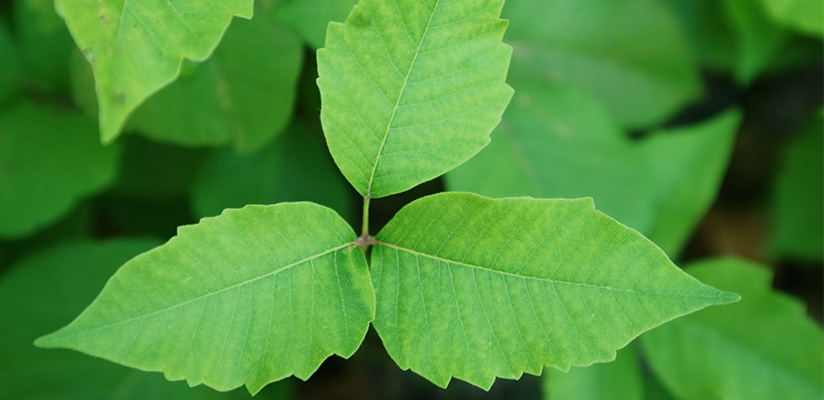
- Poison oak has three leaflets with rounded tips and grows as a shrub or vine. It is found primarily in the western and southeastern United States.
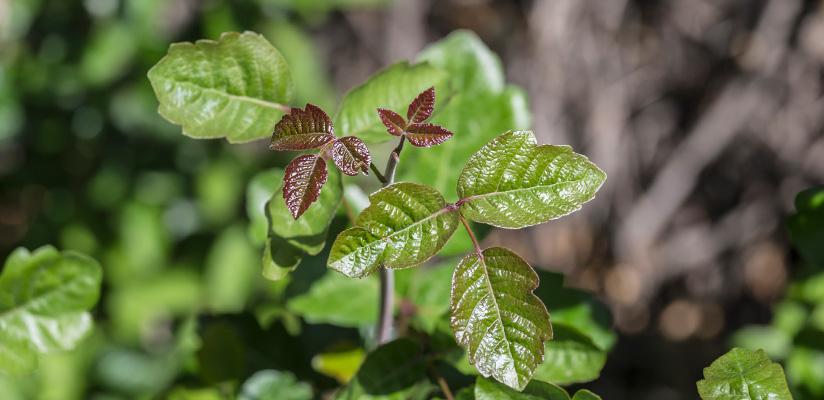
- Poison sumac grows as a tree and has clusters of seven to 13 paired leaflets. It is found in wet, swampy environments in the eastern and southeastern United States.
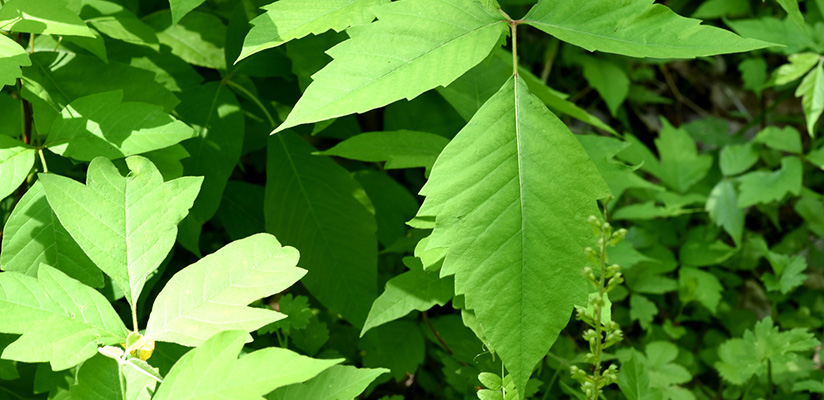
These plants are often found in wooded areas, along trails and in overgrown yards.
What are the symptoms of poison ivy, poison oak or poison sumac rash?
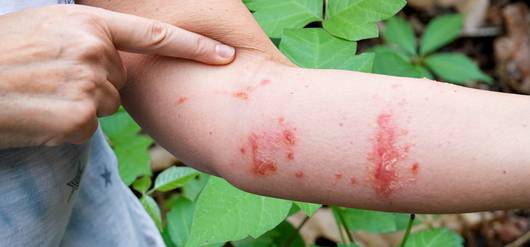
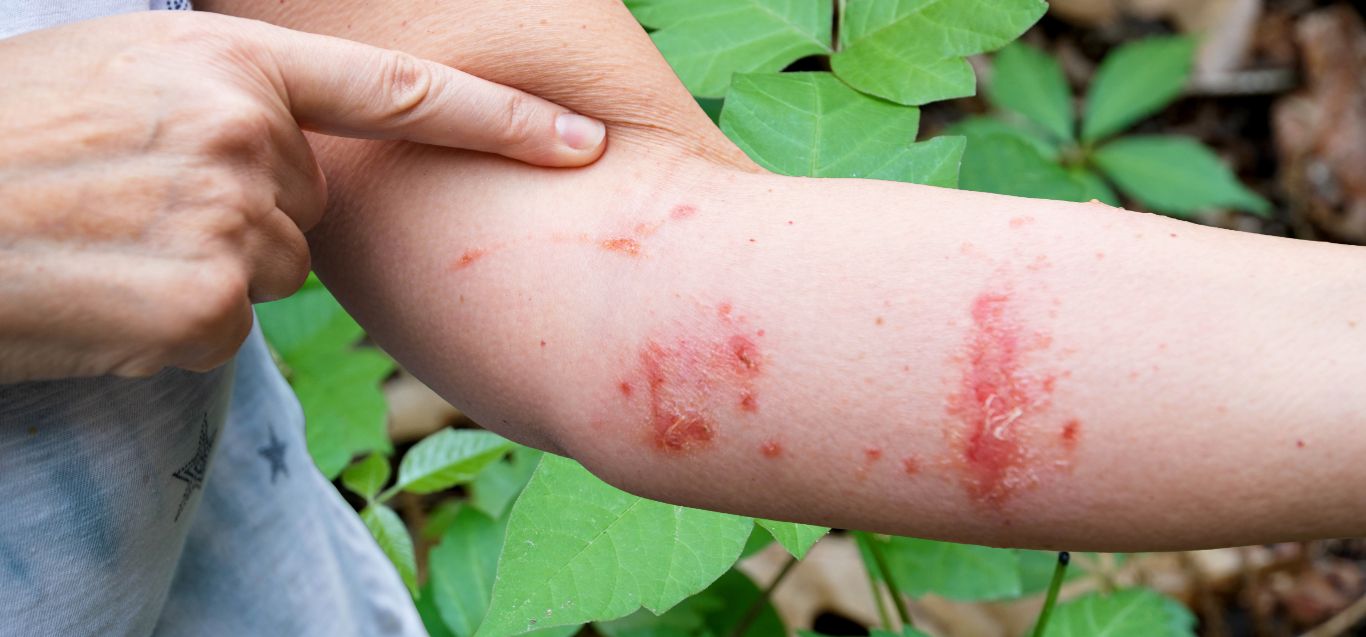
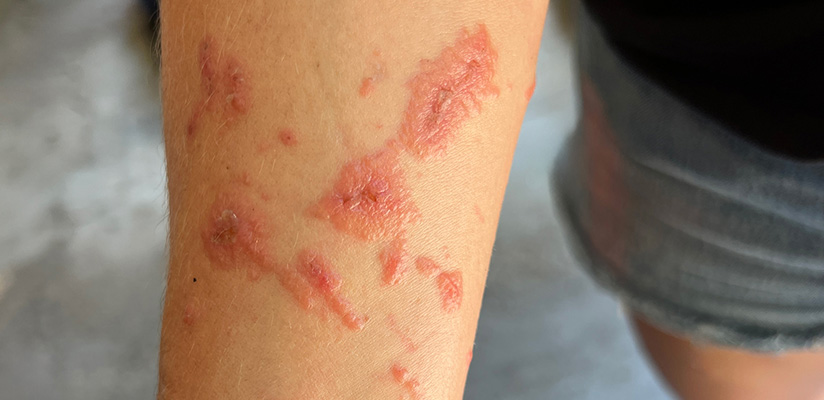
Symptoms may include intense itching, redness, swelling, small bumps and blisters. The rash often appears in patches or streaks because the oil brushes across the skin during exposure.
How soon after exposure do symptoms appear?
After the first exposure, it may take several days for a rash to develop. Children who have been exposed before and are already sensitive to urushiol typically develop symptoms within one to two days.
What should parents do if their child comes into contact with one of these plants?
- Wash the exposed skin thoroughly within 10 to 15 minutes.
- Remove clothing and wash it separately from other laundry.
- Wash shoes, sports equipment, gardening tools and any other items that may have come into contact with the plant.
- Bathe pets that may have urushiol on their fur.
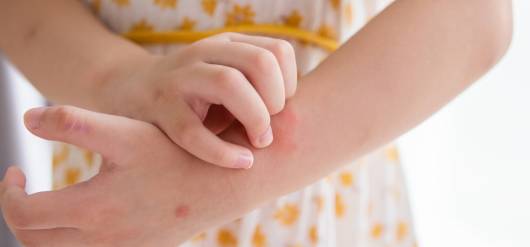
- Encourage your child not to scratch the rash, especially if the skin is blistered. Scratching can irritate the skin further and increase the risk of infection.
Can poison ivy, poison oak or poison sumac rash spread from person to person?
The rash itself is not contagious, and the fluid inside blisters cannot spread the rash to other people. However, urushiol oil can remain on clothing, shoes, equipment, tools and pet fur. If someone touches an item that still has the oil on it, they can develop a new rash.
How are these rashes treated?
Mild cases can often be treated at home with cool compresses, oatmeal baths, calamine lotion and oral antihistamines. More severe reactions may require prescription topical or oral steroids.
When should parents call their child's pediatrician?
Contact your child's pediatrician if:
- The rash affects the eyes, face or genital area.
- The face or eyelids has severe swelling.
- The rash covers a large portion of the body.
- Itching is so severe that it affects sleep.
- Signs of infection arise, such as increasing redness, pain, swelling, fever or pus-like drainage.
- The rash is not improving after about a week.
Can poison ivy, poison oak and poison sumac rashes be prevented?
While it may not always be possible to avoid exposure completely, a few precautions can greatly reduce the risk.
Parents can help by:
- Teaching children how to recognize these plants.
- Wearing long sleeves, pants and protective clothing in wooded or overgrown areas.
- Washing the skin promptly after a known exposure.
- Cleaning clothing, outdoor gear and pets after spending time in areas where the plants grow.
- Never burning poison ivy, poison oak or poison sumac, as urushiol can be inhaled in the smoke and cause a serious reaction.
Are there any long-term effects?
Most children recover completely without any lasting problems.
In some cases, temporary skin discoloration may remain after the rash heals, but permanent scarring is uncommon. Children who have previously reacted to urushiol are more likely to have similar reactions if they are exposed again.
Want to learn more about Dermatology at Le Bonheur?
DermatologyWant to find an appointment for your child?
Call 1-866-870-5570.
Related Articles