Ultrasonography for Muscle Loss in the ICU
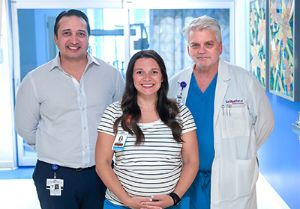
Muscle loss is a key predictor of intensive care unit (ICU) acquired weakness, which can lead to longer hospital stays, increased mechanical ventilation and greater morbidity. To evaluate bedside ultrasonography as a tool for detecting muscle loss, Le Bonheur Critical Care Intensivist Nicolas Chiriboga, MD, and Registered Dietitian Alyssa Clark, MS, RD, LD, were part of a group that conducted a study published in the Journal of Ultrasound in Medicine.
The study followed 35 critically ill children ages 2–18. Using ultrasound measurements of muscle thickness and cross-sectional area in the quadriceps femoris, researchers found that within three to 10 days, 40% of patients lost muscle thickness and 57% lost muscle cross-sectional area. Children who received less protein relative to their goal were more likely to experience muscle loss.
“Our findings point to nutrition and inflammation as key modifiable targets for early intervention,” said Chiriboga.
Researchers concluded that bedside muscle ultrasonography is a feasible, noninvasive and cost-effective way to detect muscle loss early in critically ill children, supporting timely nutritional and rehabilitation interventions. Further multicenter studies are needed to confirm these findings.
Help us provide the best care for kids.
Le Bonheur Children's Hospital depends on the generosity of friends like you to help us serve 250,000 children each year, regardless of their family’s ability to pay. Every gift helps us improve the lives of children.
Donate Now