Inflammatory Bowel Disease (IBD) in Children: Hope and Healing Is Within Reach
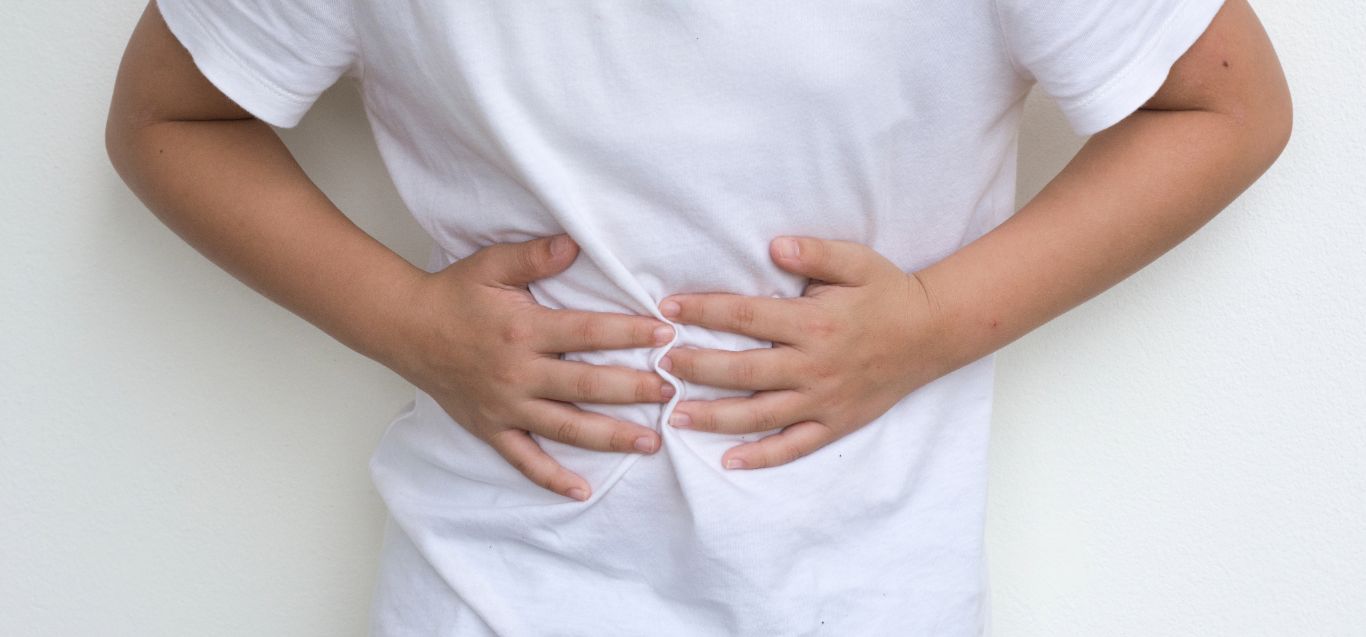
Posted: July 02, 2026Inflammatory bowel disease (IBD) can present in surprising ways, from persistent mouth sores to severe abdominal pain and bloody stools. At Le Bonheur Children's Hospital, Dr. Jason Frischer, surgeon-in-chief and division chief of Pediatric Surgery, and Dr. Mark Corkins, division chief of Pediatric Gastroenterology, provide care for children with IBD. In this article, they explain what parents need to know about this complex autoimmune condition.
What is IBD?
Inflammatory bowel disease occurs when the immune system mistakenly attacks the body's own gastrointestinal (GI) tract. "Inflammatory bowel disease is an autoimmune disease," Corkins explains. "The immune system gets confused and attacks our own tissues."
Because the GI tract spans from the mouth to the anus, symptoms vary widely. Corkins recalls treating one child whose only initial symptom was mouth sores that would not heal. IBD has two main types: Crohn’s disease and ulcerative colitis (UC). Crohn's disease can affect any part of the digestive tract, while UC is generally limited to the colon. Some cases fall into a gray area initially, requiring time to determine which type a child has.
The exact cause of IBD is not completely understood, but genetics clearly play a role. The disease tends to run in families, and certain genes affecting immune function have been identified as contributing factors. "We know a lot more than we used to, but the understanding is still not 100% complete," Corkins notes.
When to See a Specialist
Because symptoms can be subtle, primary care providers are often the right starting point. They can run initial tests and determine whether a referral to a pediatric gastroenterologist is warranted. As Corkins notes, even unusual presentations — like those persistent mouth sores — sometimes point to IBD.
Treatment Options and When Surgery Is Necessary
Most modern IBD treatments work by modulating the immune system rather than shutting it down entirely. "We talk about immune modulation as opposed to immunosuppression," Corkins emphasizes. "We're turning it down, but not off." This distinction matters significantly for quality of life. Children on these therapies can generally attend school, participate in activities and live typical lives.
Surgery is not a cure for IBD, but it can play an important role in select cases. Frischer explains that decisions about surgery require close collaboration among the surgical team, gastroenterologist, patient and family. Clear indications include bleeding, serious infections or surgical emergencies like a bowel perforation. Other situations are more nuanced. For example, prolonged steroid use or stalled growth during critical developmental years may tip the scales toward considering surgery.
Advances in surgical techniques have dramatically improved recovery. "Patients are highly satisfied and really regain a stronger or better quality of life after these surgeries," Frischer reassures. Most procedures are now performed laparoscopically or robotically, leaving small scars and allowing children to return to school within about a week and to contact sports within a month.
For children with ulcerative colitis whose disease has not responded to maximized medical therapy, a procedure called a colectomy with J-pouch creation can offer a meaningful improvement in daily life by eliminating the need for a permanent stoma.
A Hopeful Outlook
Both doctors want families to know that an IBD diagnosis does not limit what a child can achieve. Olympic athletes and professional sports figures have lived successful careers with the disease. "Find a medical team you're comfortable with, that works together and has experience," Frischer advises. "There are no simple answers. But really, anything is possible."
To learn more about options for children with inflammatory bowel disease, visit lebonheur.org.
Want to learn more about Gastroenterology at Le Bonheur?
GastroenterologyWant to find an appointment for your child?
Call 1-866-870-5570.
Related Articles