MMR Explained: Protecting Children from Measles, Mumps and Rubella
Posted: June 25, 2026A Q&A with Division Chief of Outpatient Pediatrics Dr. Jason Yaun
When we think of childhood illnesses, measles, mumps and rubella may feel like diseases of no concern, but they remain very real and, in some cases, very dangerous. These highly contagious viruses can spread quickly through communities, especially where immunization rates are lower, putting children and vulnerable populations at risk.
Understanding how these illnesses affect the body, how they spread and how to prevent them is essential for keeping families and communities safe. We sat down with Division Chief of Outpatient Pediatrics Dr. Jason Yaun to discuss measles, mumps and rubella (MMR), and why the MMR immunization continues to play such a critical role in protecting children’s health.
Measles
What is measles?
Measles is a highly contagious respiratory virus caused by the virus, morbillivirus hominis.
How does it affect children’s bodies?
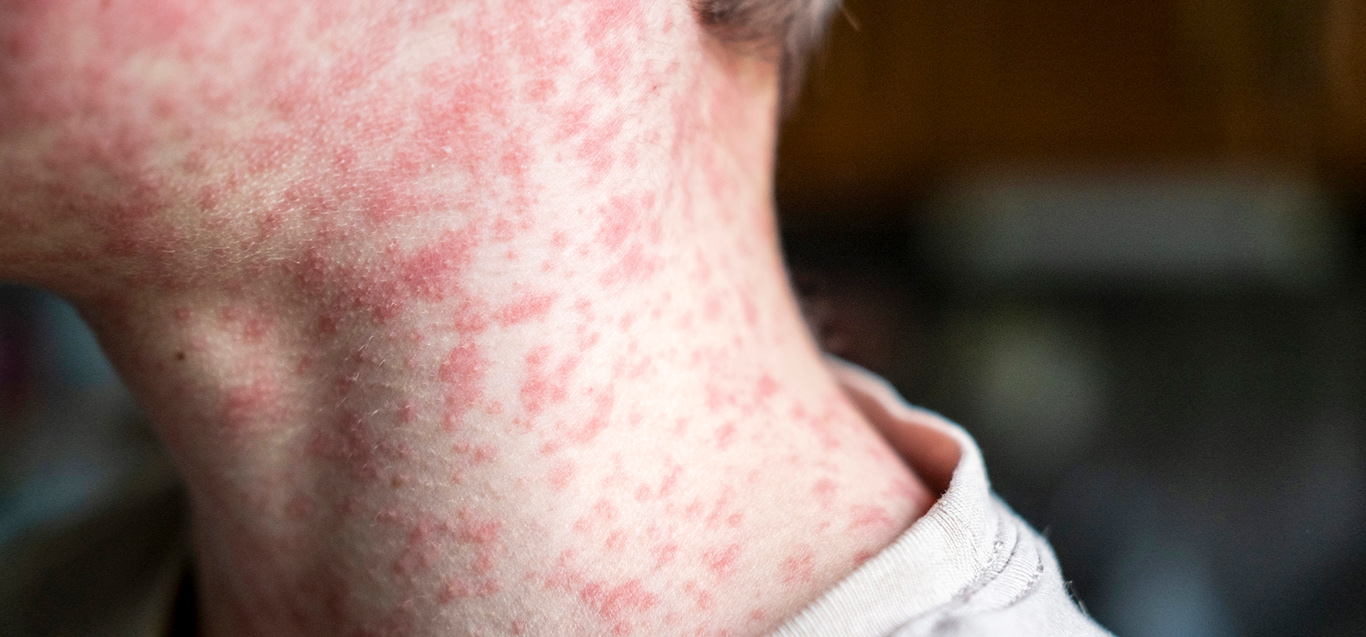
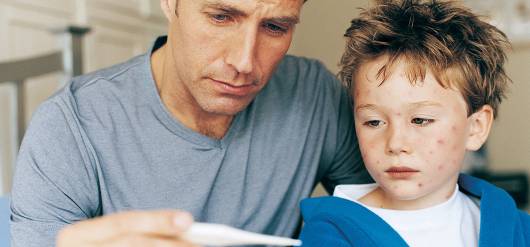
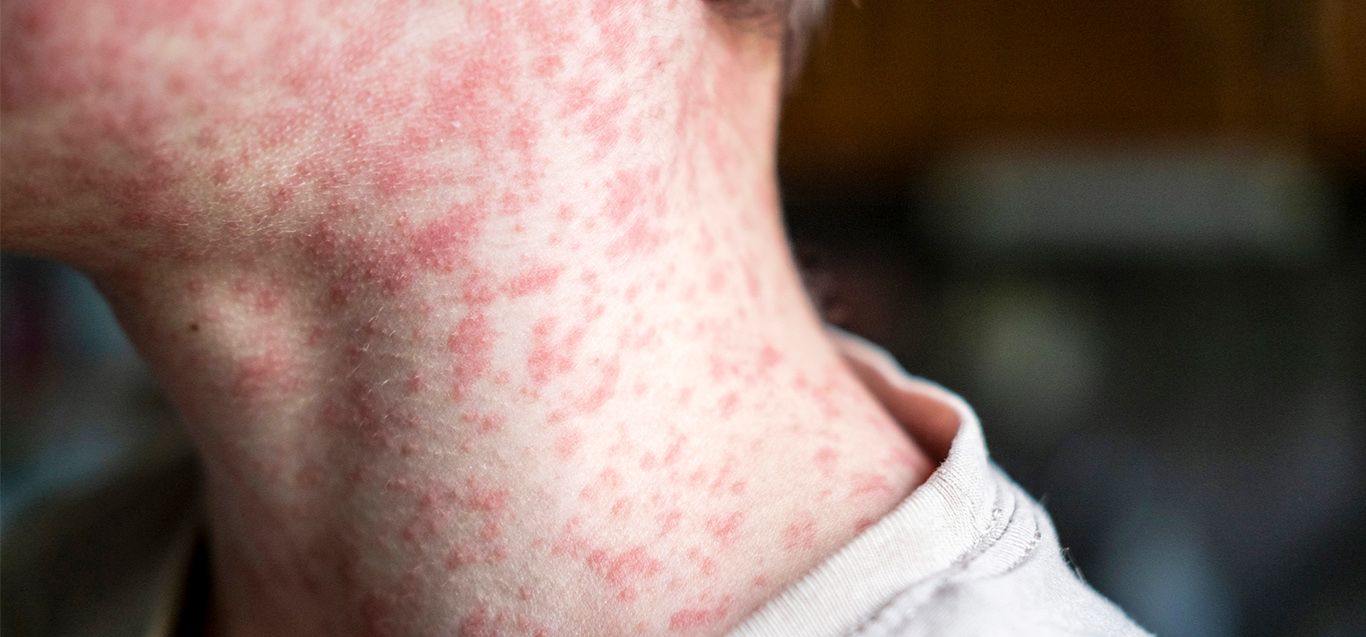
Measles causes widespread inflammation, most notably a rash that starts on the face and spreads downward to cover the entire body. It also affects the respiratory tract, leading to a cough, runny nose and watery, red eyes.
This makes a child's body more prone to catching a bacterial infection, such as pneumonia, which is the leading cause of death for children due to measles. It can also cause vomiting, diarrhea and, rarely, swelling of the brain, which can also lead to brain damage or death.
How does it spread?
Measles spreads primarily through the air when an infected person coughs, sneezes or breathes. The virus can remain in the air and on surfaces for as long as two hours after an infected person leaves an area.
Measles is considered the most contagious virus in the world! A child with measles is contagious for at least nine days, starting four days before the characteristic rash appears until four days after it breaks. One person with measles may infect as many as 18 other people, and nine out of 10 people exposed to the measles virus will get sick if they are not immunized.
Is it severe for children?
Measles can be very dangerous in children. As many as one in five unimmunized children will be hospitalized due to measles infection, and about one in 20 will develop pneumonia. About one in 1,000 will develop brain swelling, or encephalitis, and unfortunately, about one to three in 1,000 children die from the measles virus. Recent outbreaks in the United States have led to hospitalizations and deaths, highlighting that measles remains a serious disease, especially for young children and those who are unimmunized.
Any long-term effects?
One important long-term effect of measles is something called immune amnesia. Measles can weaken the immune system's memory of past infections, making children more vulnerable to other illnesses for months to years after they recover.
Another effect is subacute sclerosing panencephalitis (SSPE). This is a rare but very serious brain condition that can happen years after a child has had measles, usually affecting one in 2,000 cases. SSPE slowly affects how the brain works and can lead to seizures, loss of the ability to talk, walk or care for oneself and severe brain damage. SSPE is usually fatal over time.
How can you prevent the spread?
Immunization is the best way to prevent the spread of measles. Two doses of immunization offer long-lasting protection. High community immunization rates help maintain community immunity and reduce the risk of outbreaks, especially for infants and people who cannot be immunized because of medical conditions.
Routine immunization should occur at 12 to 15 months and again at 4 to 6 years of age. Pediatricians may recommend a dose for children from 6 to 11 months of age during outbreaks or for those who may be traveling to high-risk areas.
Mumps
What is Mumps?
Mumps, or Mumps orthorubulavirus, is a respiratory viral illness that most commonly causes parotitis, or painful swelling of the parotid glands (salivary glands in the cheeks).
How does it affect children’s bodies?
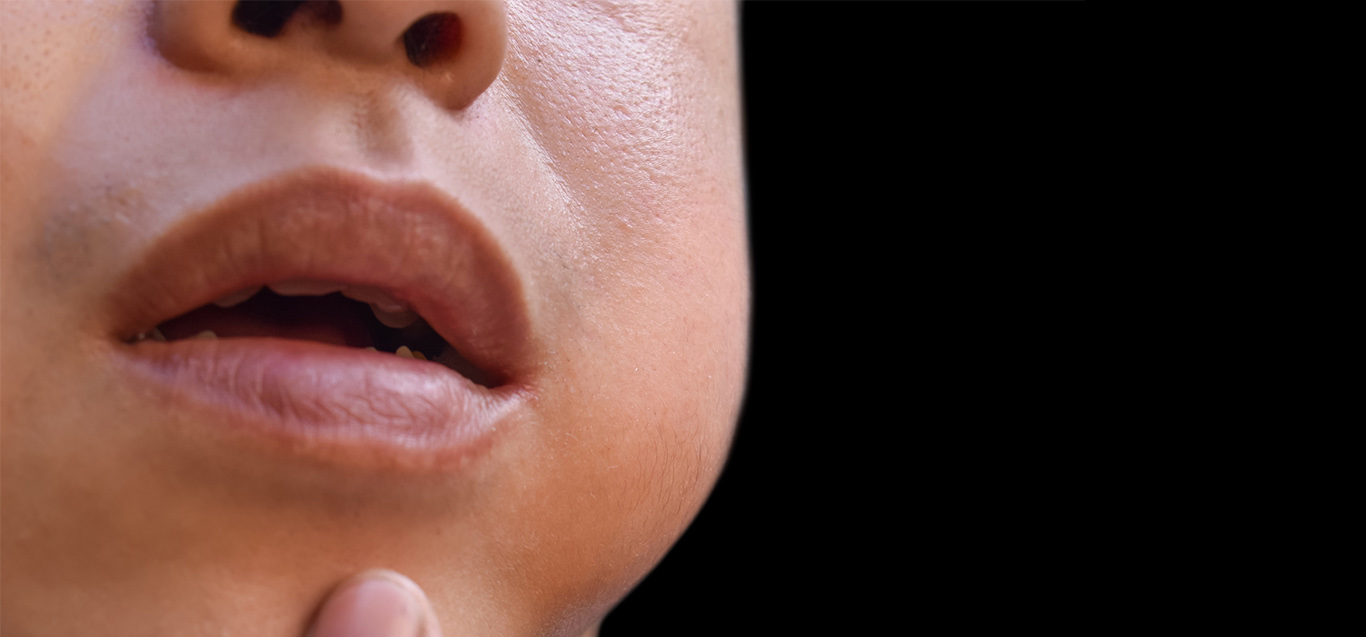
Parotitis, or swelling of the parotid glands located on the jaw near the ears, causes painful chewing and swallowing. Other symptoms include flu-like symptoms such as fever, headache, muscle aches and fatigue. Symptoms may last as long as a week, but may not appear until two to three weeks after exposure. As many as one-third of people who are infected may not show any symptoms at all.
How does it spread?
Mumps is another highly contagious respiratory virus that can spread through air droplets or person to person through direct contact with saliva. A child infected with mumps is considered contagious for about seven days total, starting two days before the salivary glands begin to swell until five days after the swelling starts.
Is it severe for children?
Fortunately, mumps is mild for most children. However, complications like meningitis, encephalitis (swelling of the brain), hearing loss or pancreatitis can occur. Painful swelling of the testicles (orchitis) or ovaries (oophoritis) can rarely occur. In uncommon cases, orchitis can lead to infertility.
Any long-term effects?
Long-term effects are rare, but the most concerning effects would be those from the complications mentioned above, which could lead to neurological damage, deafness or fertility issues. Contracting mumps early in pregnancy can also lead to an increased risk of miscarriage.
How can you prevent the spread?
Again, immunization with the two-dose series of the MMR (measles, mumps, rubella) immunization is the best way to prevent infection. Additional doses may also be recommended during outbreaks. For those who are infected, isolation, hand hygiene and avoiding sharing any items can help prevent the spread of disease.
Rubella
What is Rubella?
Rubella is also a virus caused by the virus Rubivirus rubellae, which creates a distinct rash. It typically starts on the face and spreads down the body, classically lasting about three days.
How does it affect children’s bodies?
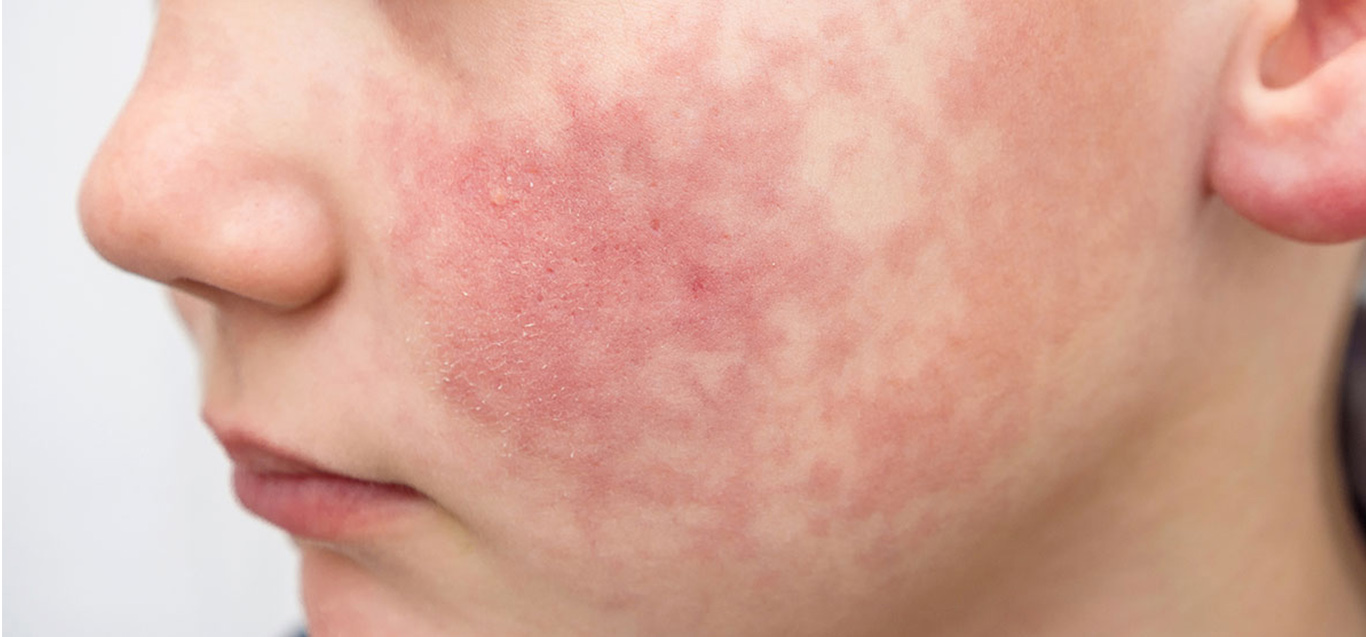
Rubella causes a classic and distinct rash as described above. Swollen lymph nodes, especially behind the ears and at the back of the neck, are common. It can also cause itchy eyes, fever, cough, headache, runny nose and body aches. As many as half of those infected with rubella may not experience any symptoms.
How does it spread?
Rubella is also a respiratory virus, spread primarily by airborne droplets when someone coughs or sneezes. Like measles and mumps, it can spread through touching a contaminated surface or the hands of someone with the infection. Someone infected with rubella is typically contagious about a week before the rash appears and about another seven days afterward.
Is it severe for children?
Rubella is usually a mild, self-limited illness for most children.
Rubella is typically most severe when contracted during pregnancy and spreads to the fetus through the placenta. This can result in very serious, lifelong health complications for the developing fetus.
Any long-term effects?
A rubella infection during pregnancy can cause congenital rubella syndrome in the baby. This can result in deafness, eye damage, heart defects, neurological damage and autoimmune disorders. Infections in children can rarely lead to encephalitis (swelling of the brain).
How can you prevent the spread?
Rubella is best prevented through two doses of the MMR immunization at 12-15 months and at 4-6 years of age. People who are planning a pregnancy should make sure they are immune to rubella. MMR immunization is not recommended during pregnancy. Individuals who are not immune can receive the immunization after delivery to help protect future pregnancies.
MMR Immunization
How many doses of the immunization are needed, and what is the recommended age?
The MMR immunization consists of two doses: the first at 12-15 months of age and the second at 4-6 years of age.
Is it safe? What are the possible side effects?
MMR immunization has been used safely for decades and has been given to hundreds of millions of children and adults around the world. Low-grade fever, soreness or redness at the injection site and rash are some of the more common side effects. More rare side effects include temporary swelling of the cheeks, joint pain and stiffness or febrile seizures. Very rare reactions include a low platelet count or anaphylaxis.
Will boosters be needed in the future?
Two doses provide long-lasting protection for most people, and routine boosters are not recommended. Infants at 6 months or older may receive a dose during outbreaks or before high-risk travel.
Does the immunization prevent disease altogether?
While the immunization is designed to prevent these diseases altogether (up to 97% effective), for those who may contract these diseases, the symptoms are often milder, and complications are rarer for those who are up to date on their immunizations.
Does the MMR immunization cause autism?
No. Extensive research involving hundreds of thousands of children has found no link between the MMR immunization and autism. The original study that suggested a connection was found to be fraudulent and was retracted. Major medical organizations, including the American Academy of Pediatrics, agree that MMR immunization does not cause autism.
Anything else you want parents to know about measles, mumps and rubella or the MMR immunization?
Measles, mumps and rubella were once common childhood illnesses that caused serious complications, hospitalizations and deaths. Thanks to immunizations, many parents today have never seen these diseases firsthand. Unfortunately, when immunization rates decline, outbreaks can return. MMR immunization is one of the safest and most effective tools we have to protect children, families and communities.
If you have questions about the immunization or your child's immunization schedule, talk with your pediatrician. We are always happy to discuss the benefits, risks and recommendations so that you can make informed decisions for your family.
Want to learn more about General Pediatrics at Le Bonheur?
General PediatricsWant to find an appointment for your child?
Call 1-866-870-5570.
Related Articles