Understanding Seizures in Children: What Parents Need to Know
Posted: February 09, 2026Seizures can be frightening for families. Knowing what a seizure is, how to respond safely and when to seek specialized care can make a critical difference for children. Pediatric Neurologist Dr. Sarah Weatherspoon of Le Bonheur Children’s Hospital explains what families need to know about seizures and epilepsy.
What Happens During a Seizure?
A seizure happens when there is sudden, atypical electrical activity in the brain. Many people imagine dramatic jerking movements, but seizures can look very different from one child to another.
“Fundamentally, what’s happening during a seizure is like an electrical surge or an electrical storm over the surface of the brain,” Dr. Weatherspoon states. “Depending on which part of the brain is affected, seizures can look many different ways.”
Some children may simply stare for a few seconds, while others may have eye fluttering, head turning, stiffening or jerking of the arms and legs. In more severe cases, a child may fall or briefly turn blue around the mouth.
What Should Parents Do When a Seizure Occurs?
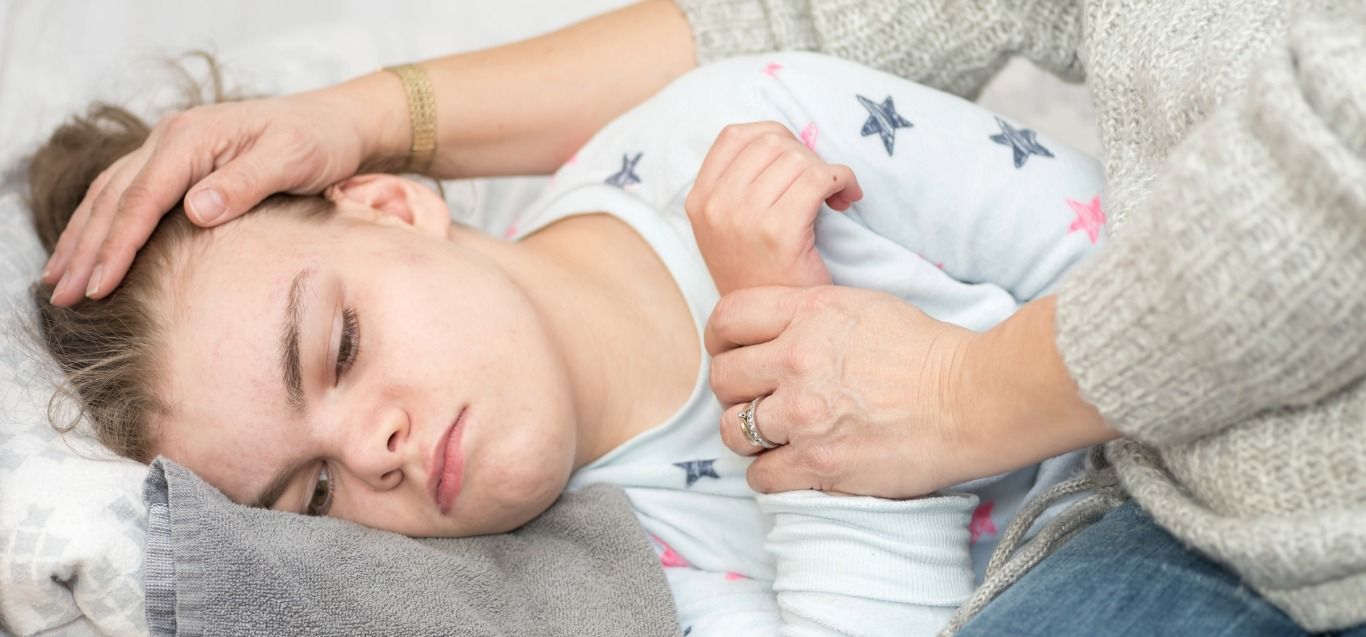
When a seizure occurs, safety is the top priority. Dr. Weatherspoon says the most important first step is to gently place the child on their side.
“We don’t want to leave them lying on their back, because saliva or drool could end up in the back of the throat and that can cause choking or breathing difficulties,” she cautions. “It’s also really important not to stick anything in their mouth.”
Contrary to popular belief, a person cannot swallow their tongue during a seizure. Clearing the area of sharp or hot objects and calling 911 are also essential steps. Families of children diagnosed with seizures should have a rescue medication on hand and know how to use it.
How Is a Seizure Disorder Diagnosed?
Accurate diagnosis is vital because untreated seizures can affect breathing, heart rhythm, learning and development. Doctors rely on detailed descriptions, videos from caregivers and a test called an EEG to understand what is happening.
“The EEG is not invasive,” Dr. Weatherspoon notes. “We just place simple wires on the scalp and record brain activity to see if a child is at risk for seizures.”
Modern seizure medications are generally safe and effective, though they can cause side effects such as drowsiness, mood changes or stomach upset. “Our goal should be no seizures and no side effects,” she says. “Most people can take a seizure medication without major problems, but families should call right away if they notice a rash or severe symptoms.”
If seizures continue despite treatment, families should consider a comprehensive epilepsy center. “If somebody has been on two seizure medicines and they’re not well-controlled, it’s good to think about what other options are out there,” Dr. Weatherspoon advises.
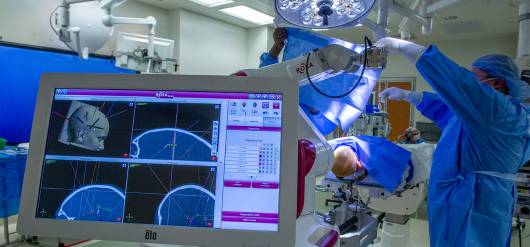
At centers like Le Bonheur, children have access to advanced testing, specialized diets, implanted devices and even surgical options when needed. A full team, including neurologists, genetic counselors and neuropsychologists, works together to care for the whole child.
With the right knowledge and support, families can feel more confident facing seizures. As Dr. Weatherspoon emphasizes, early diagnosis, proper first aid and specialized care can help children stay safe and thrive.
Want to learn more about Clinical Neurosciences at Le Bonheur?
Clinical NeurosciencesWant to find an appointment for your child?
Call 1-866-870-5570.
Related Articles