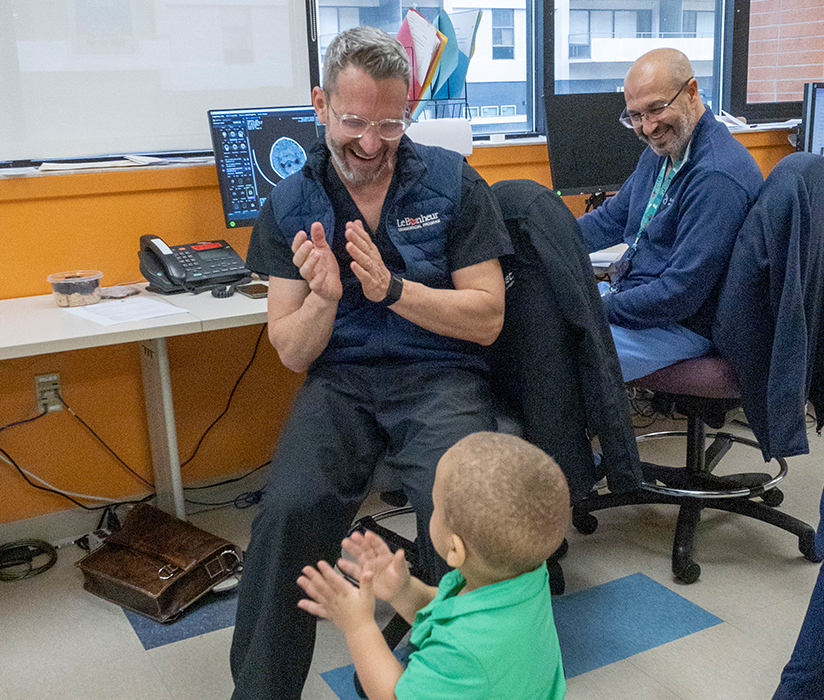
The Craniofacial Clinic at Le Bonheur Children’s Hospital provides comprehensive care for children with craniofacial conditions. We address a wide range of complex craniofacial differences. Co-led by pediatric neurosurgeon Dr. Paul Klimo and pediatric plastic surgeon Dr. Robin Evans, the clinic offers a multidisciplinary approach and provides evaluation, diagnosis, surgical interventions and long-term management. With a focus on personalized care, the clinic collaborates closely with families to develop customized treatment plans. These plans consider the unique diagnosis, circumstances and context of each and every child. The Le Bonheur Craniofacial Clinic provides compassionate, advanced and family-centered care, ensuring that children with craniofacial differences receive the highest quality of care for optimal outcomes and improved quality of life.
Why Choose the Le Bonheur Craniofacial Clinic
Le Bonheur's Craniofacial Clinic has several unique aspects for the care of a child with craniofacial conditions:
- Comprehensive Expertise: The clinic is staffed by a team of highly skilled and experienced craniofacial surgeons. Pediatric neurosurgeon Dr. Paul Klimo and pediatric plastic surgeon Dr. Robin Evans lead a team of specialized health care professionals. They have extensive expertise in diagnosing and treating a wide range of craniofacial abnormalities, ensuring that patients receive comprehensive and specialized care.
- Multidisciplinary Approach: The Le Bonheur Craniofacial Clinic follows a multidisciplinary approach, bringing together a diverse team of specialists to provide holistic care for craniofacial conditions. This collaborative approach ensures that all aspects of the child's care, including surgical interventions, orthodontic treatments, speech therapy and psychosocial support, are coordinated and integrated, leading to comprehensive and cohesive treatment plans.
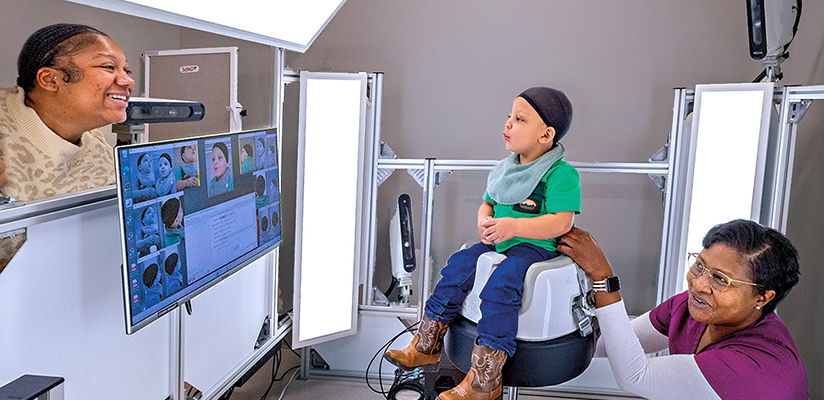
- State-of-the-Art Facilities and Technology: Le Bonheur Children's Hospital is equipped with advanced facilities and state-of-the-art technology, enabling the clinic to provide the highest level of care. We have the only 3dMD in the region, a photography tool that creates a 3D model of a child's face and head. This cutting-edge technology allows for new treatment options and accuracy. The availability of cutting-edge surgical tools, imaging techniques and innovative treatment options allows the clinic to offer the latest advancements in craniofacial care.
- Family-Centered Care: The Le Bonheur Craniofacial Clinic places a strong emphasis on family-centered care. They understand the challenges and concerns that families may face when dealing with craniofacial conditions and strive to provide support and guidance throughout the treatment journey. The clinic actively involves families in the decision-making process, provides education and resources and offers emotional support to ensure the well-being of both the child and their family. We provide phone chargers and always have snacks!
- Research and Innovation: The clinic is actively engaged in research and innovation to advance the field of craniofacial care. By participating in research studies, developing new surgical techniques and collaborating with other institutions, the clinic ensures that patients benefit from the latest advancements in the field. This commitment to research and innovation translates into improved outcomes and personalized treatment approaches.
- Continuum of Care: We provide comprehensive care throughout the patient’s journey, from diagnosis to long-term management. The team follows patients closely, monitoring their progress, adjusting treatment plans as needed and providing ongoing support. This continuum of care ensures that patients receive consistent and continuous care, optimizing their outcomes and improving their quality of life.
Overall, the Le Bonheur Craniofacial Clinic stands out as a premier center for the care of craniofacial conditions due to its comprehensive expertise, multidisciplinary approach, state-of-the-art facilities, family-centered care, commitment to research and innovation and continuum of care. Families can feel confident in choosing the Le Bonheur Craniofacial Clinic, knowing that their child will receive exceptional care from a dedicated team of specialists who prioritize their well-being and strive for the best possible outcomes.

Conditions We Treat
Craniofacial Syndromes
Our program has extensive experience treating children with complex craniofacial syndromes, including:
- Apert syndrome
- Crouzon syndrome
- Pfeiffer syndrome
- Muenke syndrome
- Saethre-Chotzen syndrome
- Treacher Collins syndrome
- Pierre Robin Sequence
Because these conditions can affect the skull, face, airway, hearing, vision, and neurodevelopment, care is highly individualized and often involves coordinated surgical and nonsurgical treatments over time.
Craniosynostosis
Types of Craniosynostosis
Craniosynostosis occurs when one or more skull sutures fuse too early, altering head shape and potentially affecting brain growth. We treat all major forms, including:
- Metopic synostosis
- Coronal synostosis (unilateral and bilateral)
- Sagittal synostosis
- Lambdoid synostosis
Plagiocephaly vs Craniosynostosis
Positional plagiocephaly is a common and benign condition caused by external pressure on an infant’s skull and does not involve fused sutures. Craniosynostosis, in contrast, results from premature suture fusion and often requires surgical evaluation and treatment. Our team carefully evaluates each child to ensure an accurate diagnosis and appropriate management plan.
Treatment of Positional Plagiocephaly
For infants diagnosed with positional plagiocephaly, treatment is individualized based on age, severity, and response to early interventions.
Repositioning and Physical Therapy
- Often first-line treatment in young infants
- Includes supervised tummy time, repositioning strategies, and treatment of associated torticollis when present
Cranial Remodeling Helmet Therapy
- Recommended for select infants with moderate to severe plagiocephaly or those who do not improve with repositioning alone
- Most effective when started between 4–7 months of age, while the skull is rapidly growing
- Custom-fitted helmets gently guide skull growth toward a more symmetric shape over time
- Helmets are typically worn 23 hours per day for several months, with regular follow-up visits to monitor progress
Our team works closely with families to determine whether helmet therapy is appropriate and to ensure that positional plagiocephaly is clearly distinguished from craniosynostosis prior to treatment.
Craniosynostosis Procedures and Typical Treatment Timeline
Minimally Invasive Surgery with Postoperative Helmet Therapy
Selected infants may be candidates for minimally invasive approaches that rely on early surgery followed by guided skull reshaping using a custom helmet.
Endoscopically Assisted Suturectomy
- Typically offered between 3–5 months of age
- Appropriate for select nonsyndromic and syndromic patients with one or more fused sutures
- Performed through small incisions using an endoscope to remove the fused suture
- Surgery usually lasts 2–3 hours with an overnight hospital stay
- Followed by custom cranial remodeling helmet worn approximately 23 hours per day
Open Cranial Vault Remodeling (CVR)
- Involves reshaping affected portions of the skull through a larger incision
- Allows immediate correction of skull shape and volume
- Typically requires several days in the hospital, including ICU monitoring
Fronto-Orbital Advancement (FOA)
- Commonly performed between 10 months and 2 years of age
- Often used for metopic and coronal craniosynostosis
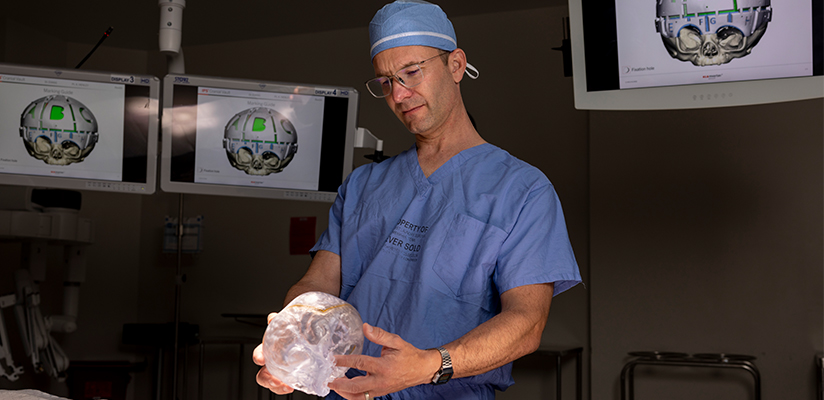
- Involves reshaping the forehead and upper eye sockets (orbital bandeau) using patient-specific surgical planning
- Incision is designed to heal discreetly within the hairline
- Hospital stay is usually 3–5 days, with one night in the ICU
Posterior Vault Distraction Osteogenesis (PVDO)
- Used in select patients to safely increase skull volume over time
- Gradually expands the back of the skull using internal distraction devices
Particularly helpful in complex or syndromic craniosynostosis and in children with signs of elevated intracranial pressure
The Le Bonheur Craniofacial Clinic provides comprehensive and personalized care for a wide range of craniofacial conditions beyond those mentioned above. The clinic's expert team evaluates and treats each child individually, creating tailored treatment plans to address their unique needs and optimize their overall well-being.
What to Expect During Your First Visit
At your child’s first visit to the Craniofacial Program, our goal is to provide clarity, reassurance, and a thoughtful plan tailored to your child’s needs.
During the visit, families can expect:
- A comprehensive evaluation of head shape, facial features, growth patterns, and overall development
- A detailed medical history review, including pregnancy, birth history, and early growth milestones
- A hands-on physical examination performed by experienced craniofacial specialists
- Assessment by additional team members as needed, such as neurosurgery, neuro-ophthalmology, genetics, or speech-language pathology
- Clear discussion of whether findings are consistent with positional plagiocephaly, craniosynostosis, or another craniofacial condition
- Thoughtful use of imaging only when necessary to answer specific clinical questions
- A clear explanation of treatment options, expected timelines, and next steps
- Time for families to ask questions and discuss concerns
Whenever possible, care is coordinated so families can see multiple specialists in a single visit. Families leave the first appointment with a clear understanding of the diagnosis, reassurance when appropriate, and a coordinated plan for follow-up or treatment.
Referrals
We welcome referrals from pediatricians, family physicians and specialists. Early referral allows for timely diagnosis, family education, and access to the full range of treatment options. A referral link and contact information can be placed here for ease of access. Click here to make a referral.
Craniofacial Team
Plastic Surgery
Neurosurgery
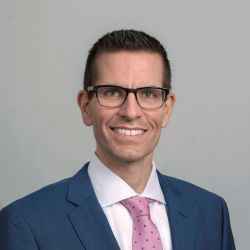
Paul Klimo, MD, is Chief of the Division of Pediatric Neurosurgery at The University of Tennessee Health Science Center and is certified by the American Board of Pediatric Neurosurgery. Dr. Klimo specializes in brain tumors, spinal surgery, epilepsy surgery, vascular neurosurgery and endoscopy.
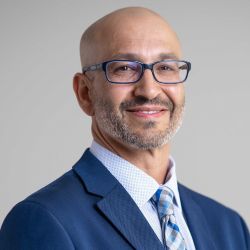
Nir Shimony, MD, is a pediatric neurosurgeon with Le Bonheur's Neuroscience Institute. Shimony is a member of the American Association of Neurological Surgeons, Congress of Neurological Surgeons, Society of Neuro-Oncology and American Epilepsy Society. His clinical and research areas of expertise include epilepsy surgery, tumors and lesions of the brain, brainstem and spinal cord, intraoperative neurophysiological monitoring for advanced epilepsy and tumor resection, use of minimally invasive techniques such as advanced endoscopy and keyhole surgeries for brain lesions and intractable epilepsy.
Neuropsychology
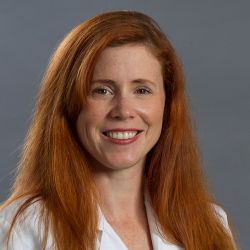
Christen Holder, PhD, is the clinical director of Pediatric Neuropsychology and specializes in epilepsy, congenital heart disease and high-risk newborn populations. She serves as co-director of the Movement Disorders and Tourette Syndrome Center.
Nurse Practitioner
Neuro-ophthalmology
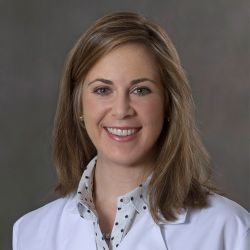
Lauren Ditta, MD, specializes in pediatric neuro-ophthalmology. She treats children with a wide range of abnormal eye movements including complex strabismus, nystagmus, cranial nerve palsies affecting eye movement and congenital cranial dysinnervation syndromes.
Genetics
Program Coordinator