Food Is Medicine
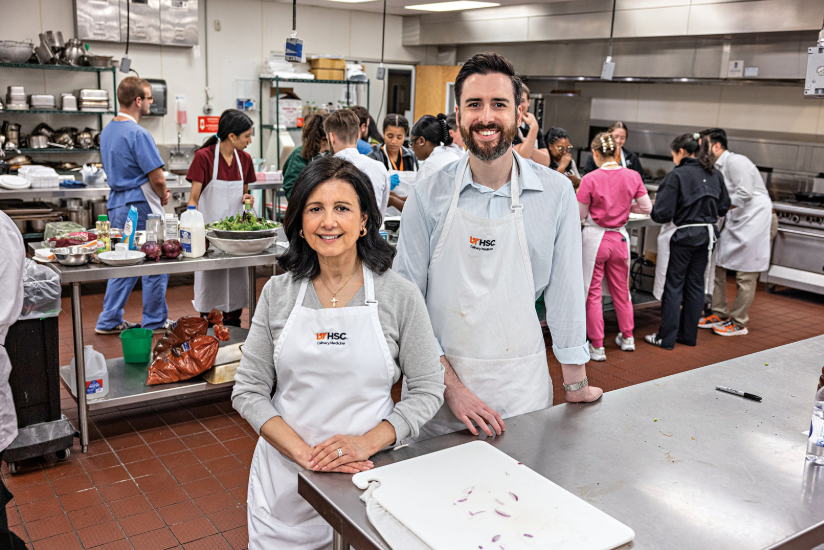
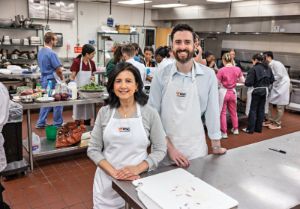
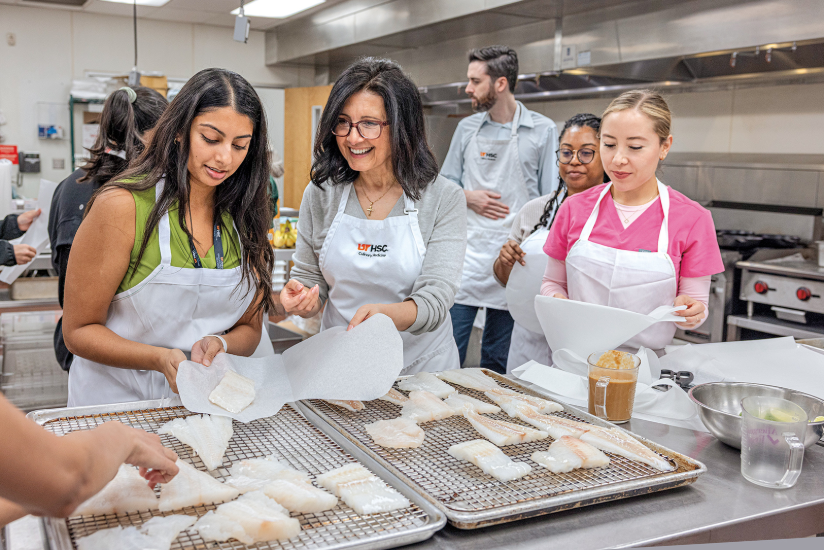
Forks and knives clattered over en papillote fish and vegetables still steaming from the chef’s parchment paper.
This wasn’t dinner. This was class at The University of Tennessee (UT) Health Science Center. They were learning “Food Is Medicine,” a case-based curriculum from The American College of Culinary Medicine designed to improve clinical counseling and outcomes.
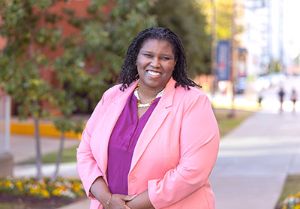
Pathologist Susan Warner, MD, CCMS, brought the program to UT Health Science Center around 2018. Since her retirement, the classes and the food-as-medicine ethos has been carried on by Le Bonheur Pediatrician Rana Assfoura, MD, CCMS, in collaboration with Pediatric Endocrinologist Jordan Ross, MD, CCMS. The “CCMS” credential for both are “Certified Culinary Medicine Specialist.” It takes about a year of culinary education, in-person cooking classes and hours of nutrition and culinary education to earn this designation. They now run the culinary education program for medical students and residents.
“The idea is to embed the culinary curriculum throughout the longitudinal medical training,” said Ross, who took the course under Warner as a resident at UT Health Science Center. “We want to empower other health professionals to incorporate nutrition into their clinic visits and counseling but to also know the content themselves. It’s helping residents and students to know, ‘What’s a whole grain? What are fiber goals for people?’”
The idea is to embed the culinary curriculum throughout the longitudinal medical training. We want to empower other health professionals to incorporate nutrition into their clinic visits and counseling.
The Classes
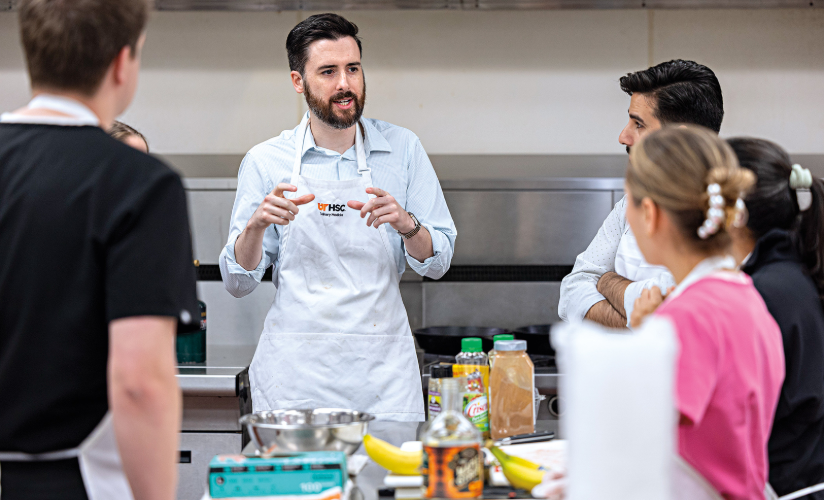
Before each class, the students are given a medical case and a recipe. A class last year focused on lipids and fats.
The case was about managing a patient with high cholesterol. The recipes swapped mayonnaise with Greek yogurt in chicken salad. So, Assfoura and Ross arm the students with real-world, hands-on experience to counsel patients on better food choices.
The classes are capped at around 20 and last about two hours. The first hour is a cooking demonstration. For these, the physicians collaborate with chefs from the University of Memphis, and classes are held at the school’s hospitality program facility.
These chefs demonstrate different recipes from the curriculum, chosen based on the nutrition topic of that class. The classmates then split up into small teams to re-create a dish on their own. Once finished, the students sample what they made.
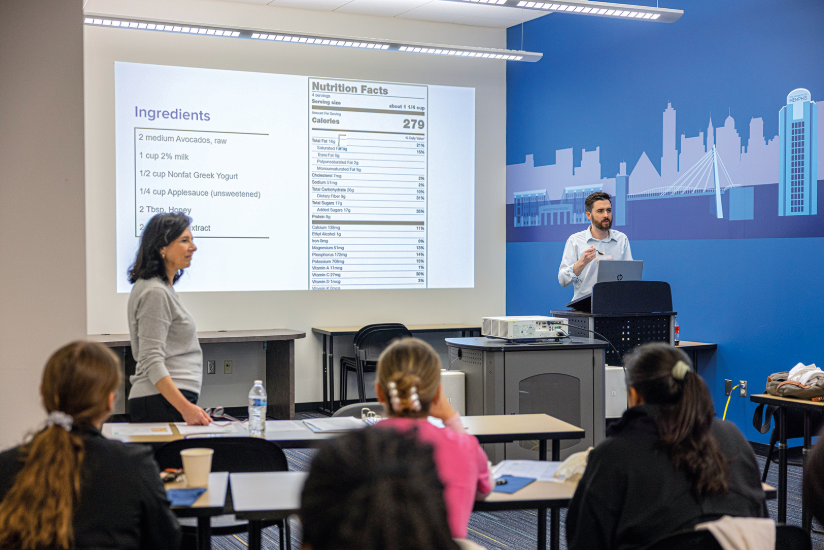
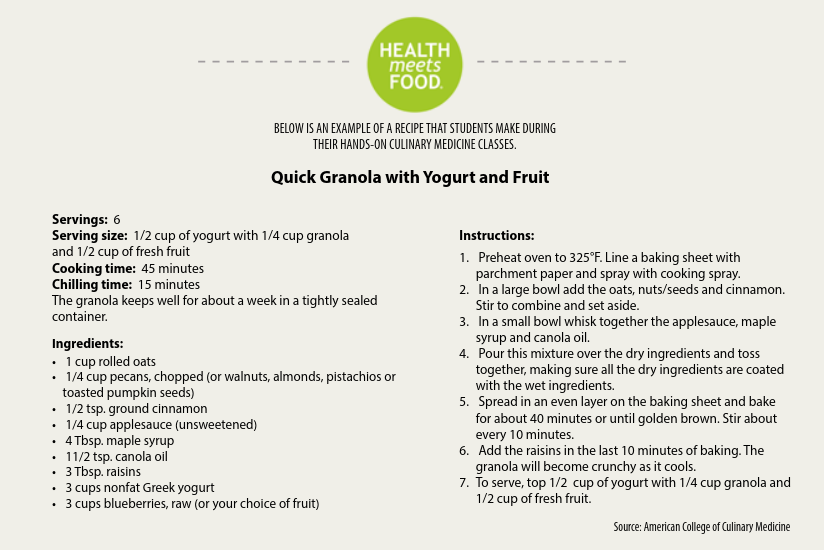
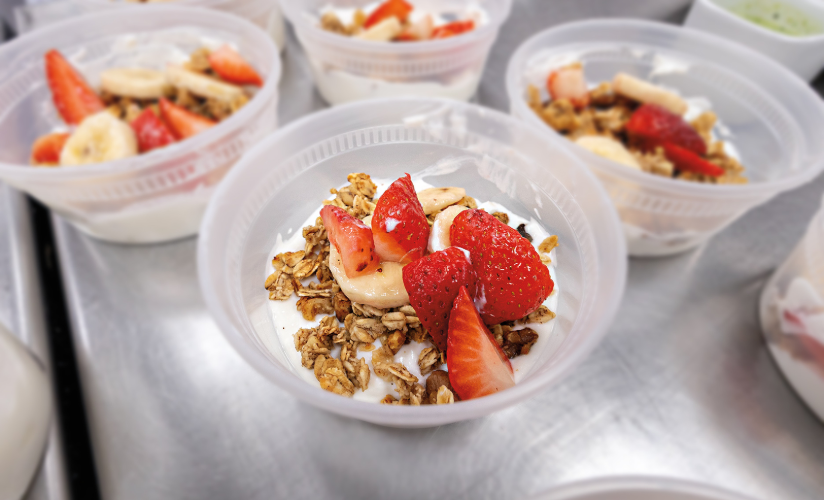
Then, they hit the books. In a classroom, the class discusses what they cooked and how it’s relevant to overall health. Last month’s class focused on weight management and portion control. It added vegetables to more energy-dense foods. Students also made healthier granola, an avocado breakfast smoothie and a homemade green goddess salad dressing.
“It’s easy to lecture them about the science and what is recommended, like fruit and vegetables,” Assfoura said. “Unless you give it to patients in a way that is user-friendly and also budget friendly, it’s not really going to happen.”
The Future
Assfoura and Ross continue to grow interest in and the message about culinary medicine throughout the system. They sponsor a “Food As Medicine” interest group at UT Health Science Center that gives interested students additional lectures.
When you follow a good, balanced diet, you’re helping your body in so many different ways. You’re helping your cholesterol, you’re helping your gastrointestinal system, you’re helping your kidneys. It’s so many levels of benefit for your body.
Some of those students might find themselves volunteering at the Health Hub Soulsville Clinic that provides holistic, accessible primary care for adults and children. There, they can talk to patients about, say, their hypertension, then walk them through the food pantry on site and help them pick foods and think through meals.
Assfoura will also pilot a pediatric nutrition residency elective. The teams are talking with Memphis-Shelby County Schools to allow residents to go to schools and learn more about their lunch programs. The physicians are also working with Le Bonheur’s Healthy Lifestyle Clinic, which helps children and adolescents with obesity, sending healthy recipes and handouts that can be shared with patients.
Still, Assfoura said change can be difficult, especially when it comes to diet. This can make nutrition-as-medicine a hard sell to patients, even to health care professionals.
“But everybody is realizing that a healthy diet is extremely important. It’s the lifestyle, not just one thing that will affect just one result,” Assfoura said. “When you follow a good, balanced diet, you’re helping your body in so many different ways. You’re helping your cholesterol, you’re helping your gastrointestinal system, you’re helping your kidneys. It’s so many levels of benefit for your body.”
Help us provide the best care for kids.
Le Bonheur Children's Hospital depends on the generosity of friends like you to help us serve 250,000 children each year, regardless of their family’s ability to pay. Every gift helps us improve the lives of children.
Donate Now