Pediatric Craniotomy Readmission
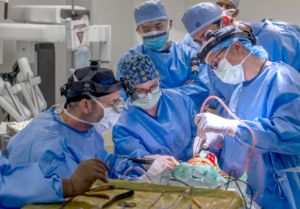
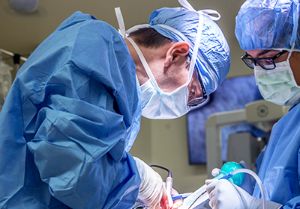
Le Bonheur and Semmes Murphey Neurosurgeons Paul Klimo Jr., MD, MPH, chief of Pediatric Neurosurgery, and Nir Shimony, MD, recently published research in Journal of Neuro-Oncology exploring the variables associated with 90-day readmission after an elective craniotomy for a brain tumor. Their research revealed four significant predictors of readmission in children: aged 5 years and younger, surgery time, return to the neurosurgical operating room (OR) due to a postoperative event (POE) and a high tumor grade. This is the first and largest known study evaluating these factors in the pediatric population. The variables for readmission were previously unknown in children.
“Readmission is a key metric for quality health care delivery,” said Klimo. “Our goal with this research is to provide analysis that will continue to guide improvements in the delivery of high quality and high value health care for kids.”
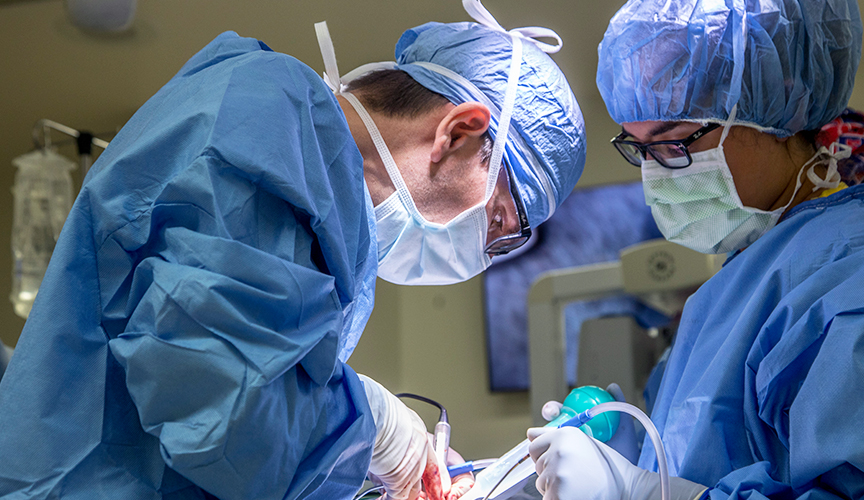
The study consisted of a review of all elective craniotomies for tumor resection performed at Le Bonheur from 2010 to 2022 in children and young adults 21 and younger. During that time, 1,276 patients underwent 1,497 elective craniotomies for tumor resection. Within 90 days, 208 (13.9%) were readmitted to the hospital with 154 (75%) returning within the first 30 days. Researchers defined readmission as readmission to the hospital for any reason and to any service within 90 days after discharge date after the original operation.
After analyzing the cases, four key drivers of readmission were identified.
- Young children (5 years and younger): Researchers posited that younger children are more likely to have surgical complications and that it is harder to identify the cause of postoperative issues in a younger child. Either could lead to the higher chance of readmission.
- Surgical time: Each additional minute of time in surgery increased the chance of 90-day readmission by 0.2%. More complex craniotomies take the most time which may lead to a longer postoperative recovery with a higher risk of postoperative issues.
- Return to neurosurgical OR due to POE: If a child returns to the OR, it is more likely that they have a complicated postoperative recovery and are therefore more prone to readmission.
- Tumor type and grade: Higher tumor grade was a predictor of readmission. Researchers state that the relationship between tumor pathology and readmission is a complex relationship that requires additional study.
“These findings are important for preoperative and family counseling and optimizing the health care that we provide to this patient population,” said Shimony.
Researchers say that future studies are needed to provide deeper analysis into these relationships and continue better understanding these risk factors for readmission.
Help us provide the best care for kids.
Le Bonheur Children's Hospital depends on the generosity of friends like you to help us serve 250,000 children each year, regardless of their family’s ability to pay. Every gift helps us improve the lives of children.
Donate Now